



KDM1/LSD1
KDM1A/LSD1 (lysine-specific demethylase 1A) is a flavin adenine dinucleotide (FAD)-dependent histone demethylase that catalyzes oxidative demethylation of histone H3K4me1/2 and H3K9me1/2, thereby regulating chromatin structure and transcriptional programs central to cell fate determination and differentiation[1][2]. Mechanistically, LSD1 functions within transcriptional corepressor and chromatin-remodeling complexes, where its demethylase activity modulates epigenetic gene regulation and contributes to the dynamic control of gene expression[2][3]. Through actions on both histone and non-histone substrates, LSD1 participates in multiple biological pathways involved in development, hematopoiesis, neuronal function, and cellular homeostasis[3][4]. In disease settings, aberrant LSD1 activity supports cancer progression by regulating gene-expression programs associated with adaptation to the tumor microenvironment, epithelial-mesenchymal transition (EMT), stemness, and differentiation states[4]. Experimental studies further demonstrate that pharmacological or genetic inhibition of LSD1 can suppress EMT-associated transcriptional programs and impede tumor progression in preclinical models[4]. Compared with related isoforms, the neuronal LSD1 isoform displays distinct substrate specificity, preferentially demethylating H3K9me2 rather than H3K4me2 and promoting transcriptional programs linked to neuronal differentiation, learning, and memory[4]. This functional divergence highlights isoform-specific biological roles that should be considered when interpreting mechanistic studies and therapeutic responses[4]. For experimental applications, LSD1 has emerged as a major epigenetic drug target, and multiple small-molecule inhibitors, including tranylcypromine-derived compounds and clinical-stage LSD1 inhibitors, are being evaluated for hematologic malignancies and solid tumors, supporting its utility in target-validation and translational research programs[4][5].
References:
- [1]. Burg JM, et al. Lysine-Specific Demethylase 1A (KDM1A/LSD1): Product Recognition and Kinetic Analysis of Full-Length Histones. Biochemistry. 2016 Mar 22;55(11):1652-62. [Content Brief]
- [2]. Perillo B, et al. LSD1: more than demethylation of histone lysine residues. Exp Mol Med. 2020 Dec;52(12):1936-1947. [Content Brief]
- [3]. Uniprotkb.
- [4]. Kim D, et al. Roles of lysine-specific demethylase 1 (LSD1) in homeostasis and diseases. J Biomed Sci. 2021 Jun 4;28(1):41. [Content Brief]
- [5]. Gill H. Lysine-Specific Demethylase 1 (LSD1/KDM1A) Inhibition as a Target for Disease Modification in Myelofibrosis. Cells. 2022 Jul 3;11(13):2107. doi: 10.3390/cells11132107. Erratum in: Cells. 2022 Dec 19;11(24):4126. doi: 10.3390/cells11244126. PMID: 35805191; PMCID: PMC9265913. et al. Lysine-Specific Demethylase 1 (LSD1/KDM1A) Inhibition as a Target for Disease Modification in Myelofibrosis. Cells. 2022 Jul 3;11(13):2107. [Content Brief]
-
KDM1/LSD1 Related Products (98)
Related Products (98)

-
Antibodies (1)
-
Tranylcypromine hydrochloride
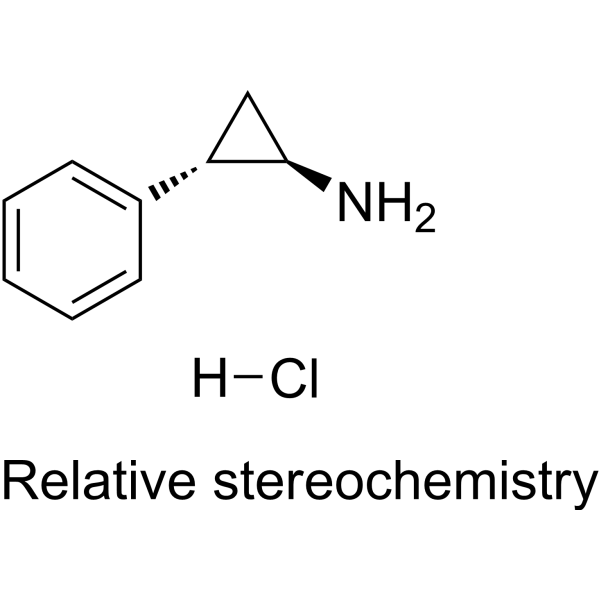 0 ImagesTranylcypromine hydrochloride (SKF 385 hydrochloride) is an irreversible inhibitor of lysine-specific demethylase 1 (LSD1/BHC110) and monoamine oxidase (MAO). Tranylcypromine hydrochloride inhibits LSD1, MAO A and MAO B with IC50s of 20.7, 2.3 and 0.95 μM, respectively. Tranylcypromine hydrochloride can be used for the research of depression.
-
GSK2879552
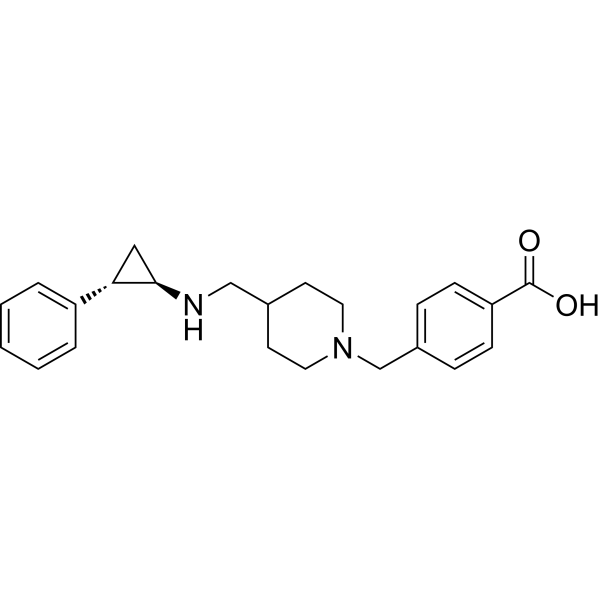 0 ImagesGSK2879552 an orally active, selective and irreversible inhibitor of lysine specific demethylase 1 (LSD1/ KDM1A), with potential antineoplastic activity.
-
Iadademstat dihydrochloride
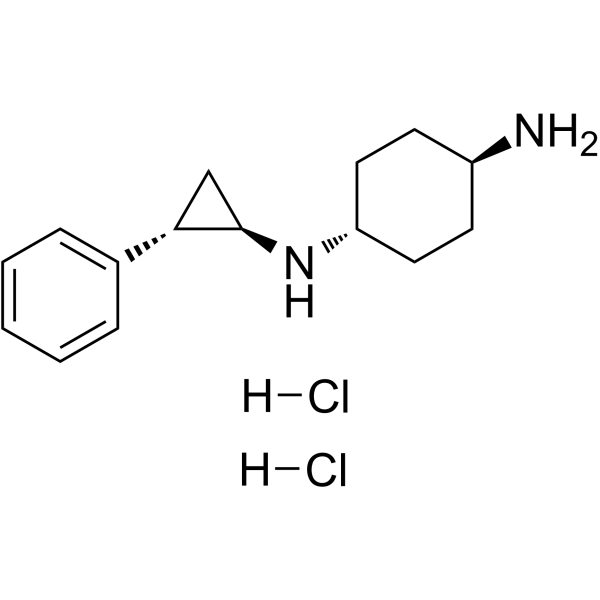 0 ImagesSynonyms: ORY-1001 dihydrochloride; RG6016 dihydrochloride; RO 7051790 dihydrochlorideIadademstat (ORY-1001) dihydrochloride is a selective irreversible lysine (K)-specific demethylase 1A (KDM1A/LSD1) inhibitor.
-
GSK-LSD1 dihydrochloride
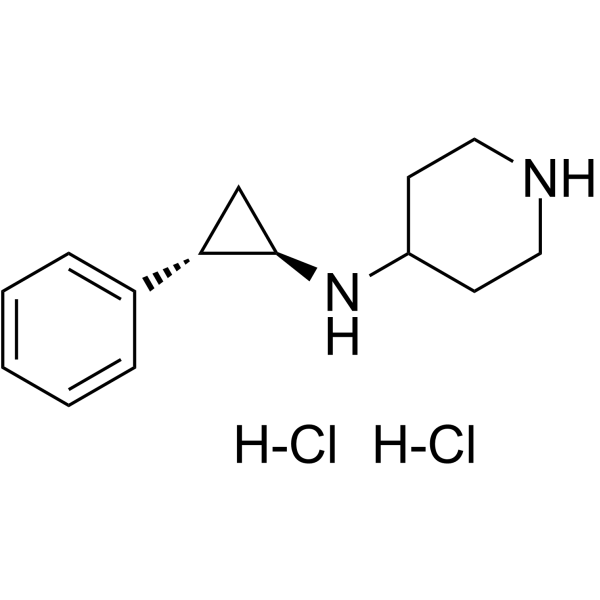 0 ImagesGSK-LSD1 dihydrochloride is a potent, selective and irreversible lysine specific demethylase 1 (LSD1) inhibitor with an IC50 of 16 nM.
-
Iadademstat
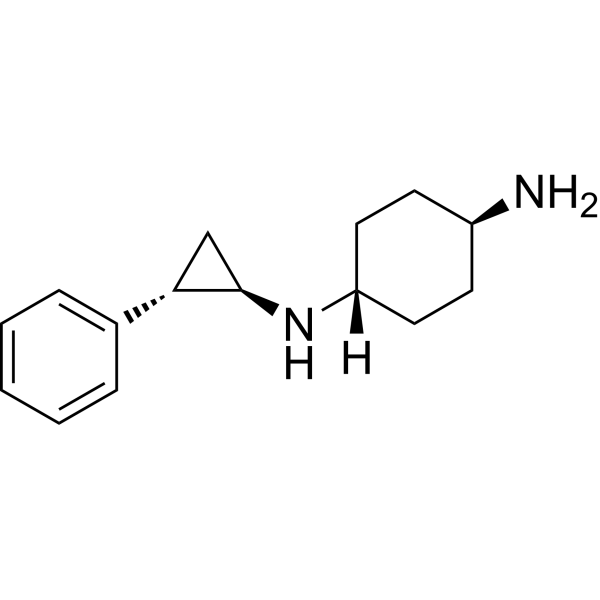 0 ImagesSynonyms: ORY-1001Iadademstat (ORY-1001) is a highly potent, orally active and selective LSD1 (KDM1A) inhibitor with antileukemic activity. Iadademstat can be used for relapsed or refractory acute myeloid leukemia research.
-
TAK-418
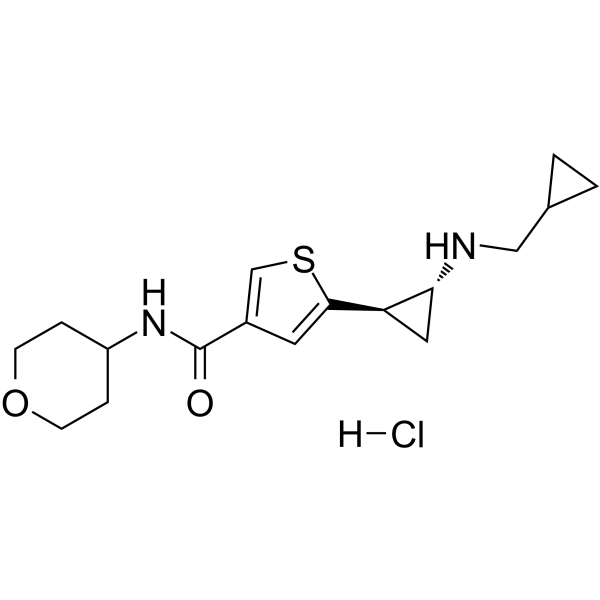 0 ImagesTAK-418 is an orally active, blood-brain barrier-penetrant LSD1 inhibitor with a human IC50 of 2.9 nM. TAK-418 irreversibly inhibits LSD1 by forming a compact flavin-FAD adduct with the catalytic domain FAD, blocking the demethylation of H3K4me1/2 and H3K9me1/2 without disrupting the LSD1-GFI1B interaction. TAK-418 restores normally dysregulated brain gene expression and DNA methylation, increases H3K4me1/2/3 and H3K9me2 at the Ucp2 locus, and induces Ucp2 mRNA expression. TAK-418 rescues defective H3K4 histone modifications, normalizes adult neurogenesis, and improves recognition memory, social behavior, and cognition in rodent models. TAK-418 can be used in research related to neurodevelopmental disorders, Alzheimer's disease, and autism spectrum disorders.
-
LD-110 triTFA
 0 ImagesCat. No.: HY-178825APurity: 99.77%LD-110 triTFA is a PROTAC degrader targeting LSD1 with a DC50 of 0.44-1.24 μM. LD-110 triTFA acts through the CRBN E3 ubiquitin ligase and the ubiquitin-proteasome system, leading to H3K4me2 accumulation. LD-110 triTFA induces apoptosis and inhibits the growth and survival of multiple esophageal squamous cell carcinoma (ESCC) cell lines. LD-110 triTFA inhibits tumor growth in the KYSE-150 xenograft model. LD-110 triTFA can be used in research related to esophageal squamous cell carcinoma.
-
LD-110 trihydrochloride
 0 ImagesCat. No.: HY-178825BLD-110 trihydrochloride is a PROTAC degrader targeting LSD1 with a DC50 of 0.44-1.24 μM. LD-110 trihydrochloride acts through the CRBN E3 ubiquitin ligase and the ubiquitin-proteasome system, leading to H3K4me2 accumulation. LD-110 trihydrochloride induces apoptosis and inhibits the growth and survival of multiple esophageal squamous cell carcinoma (ESCC) cell lines. LD-110 trihydrochloride inhibits tumor growth in the KYSE-150 xenograft model. LD-110 trihydrochloride can be used in research related to esophageal squamous cell carcinoma.
-
SP2509
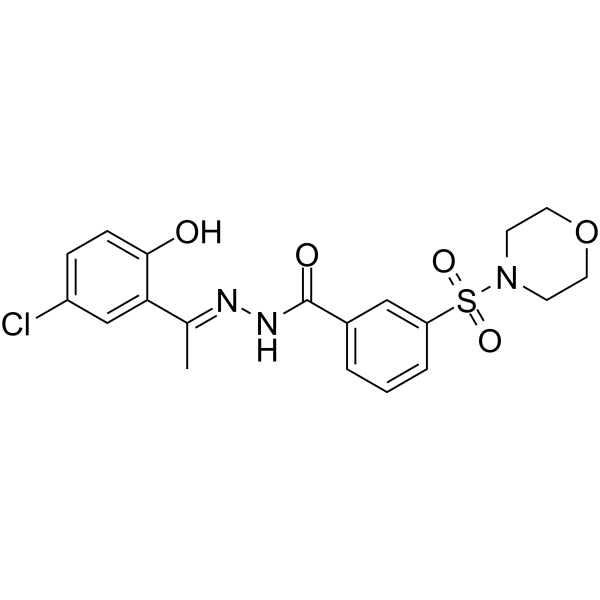 0 ImagesSP2509 is a potent and selective antagonist of lysine specific demethylase 1 (LSD1) with an IC50 of 13 nM.
-
Tranylcypromine hemisulfate
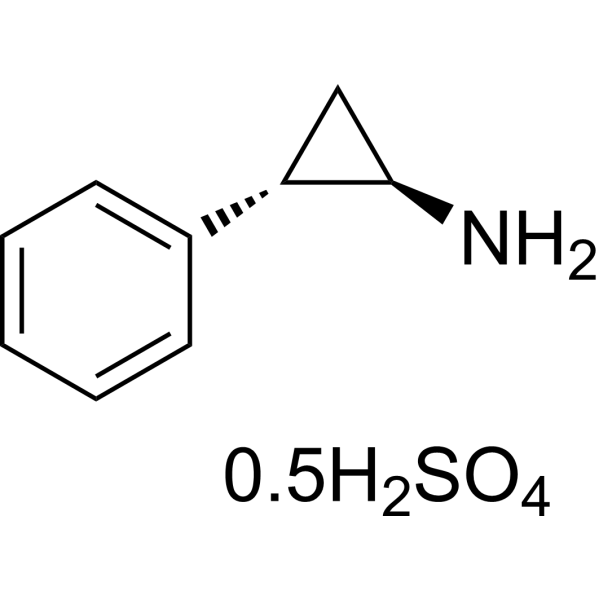 0 ImagesSynonyms: SKF 385 hemisulfateTranylcypromine (SKF 385) hemisulfate is an irreversible, nonselective monoamine oxidase (MAO) inhibitor used in the treatment of depression. Tranylcypromine hemisulfate is also a lysine-specific demethylase 1 (LSD1) inhibitor, suppresses lesion growth and improves generalized hyperalgesia in mouse with induced endometriosis. Tranylcypromine has antidepressant effects.
-
Seclidemstat
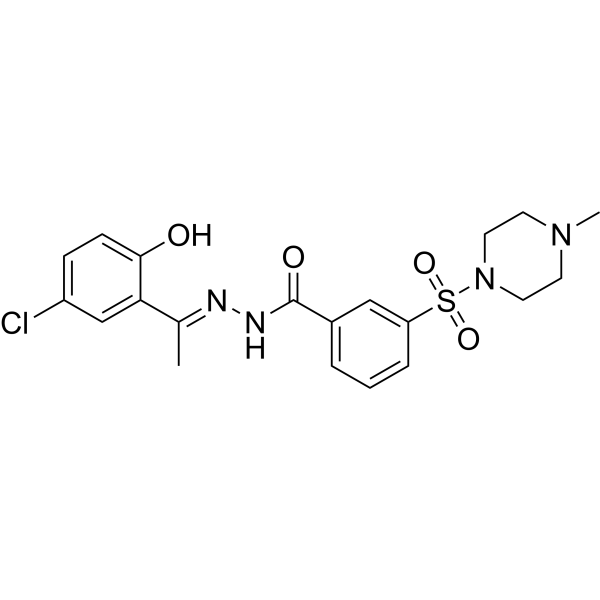 0 ImagesSynonyms: SP-2577Seclidemstat is a potent noncompetitive and reversible KDM1A (LSD1) inhibitor (Ki=31 nM, IC50=13 nM). Seclidemstat promotes antitumor immunity in switch/sucrose nonfermentable (SWI/SNF) complex mutated ovarian cancer, as well as inhibit virus production, viral DNA replication, and late gene expression. Seclidemstat can be used for the research of Ewing Sarcoma.
-
Pulrodemstat benzenesulfonate
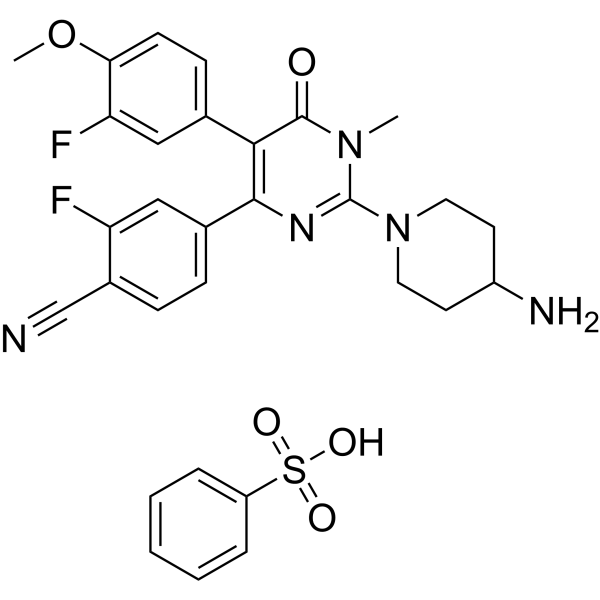 0 ImagesSynonyms: CC-90011 benzenesulfonate; LSD1-IN-7 benzenesulfonatePulrodemstat (CC-90011) benzenesulfonate is a potent, selective, reversible and orally active inhibitor of lysine specific demethylase-1 (LSD1) with an IC50 of 0.25 nM. Pulrodemstat benzenesulfonate is less enzymatic inhibition against LSD2, MAO-A, and MAO-B. Pulrodemstat benzenesulfonate induces acute myeloid leukemia (AML) and small cell lung cancer (SCLC) cells differentiation and has potent anticancer activity.
-
Bomedemstat
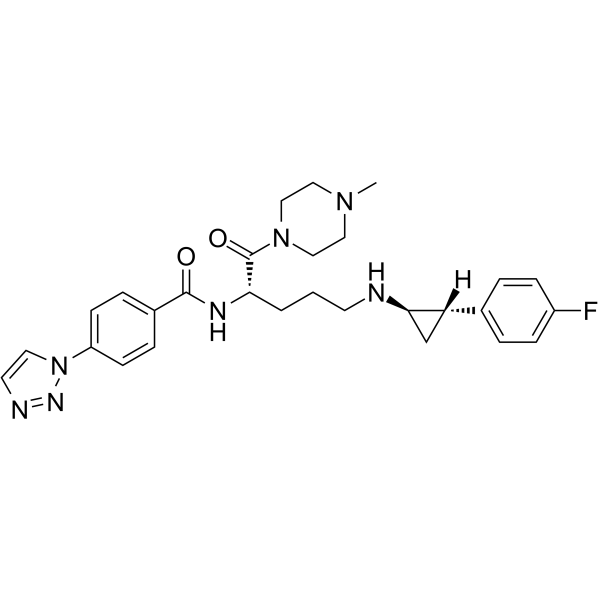 0 ImagesSynonyms: IMG-7289
-
Bomedemstat ditosylate
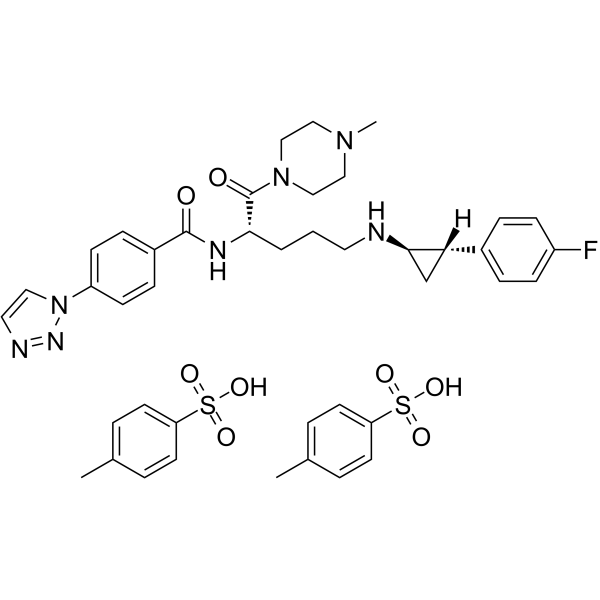 0 ImagesSynonyms: IMG-7289 ditosylateBomedemstat (IMG-7289) ditosylate is an orally active and irreversible lysine-specific demethylase 1 (LSD1) inhibitor. Bomedemstat ditosylate can increase H3K4 and H3K9 methylation, and then alter gene expression. Bomedemstat ditosylate shows anti-cancer activities, inhibits cancer cell proliferation and induces apoptosis.
-
DDP-38003 dihydrochloride
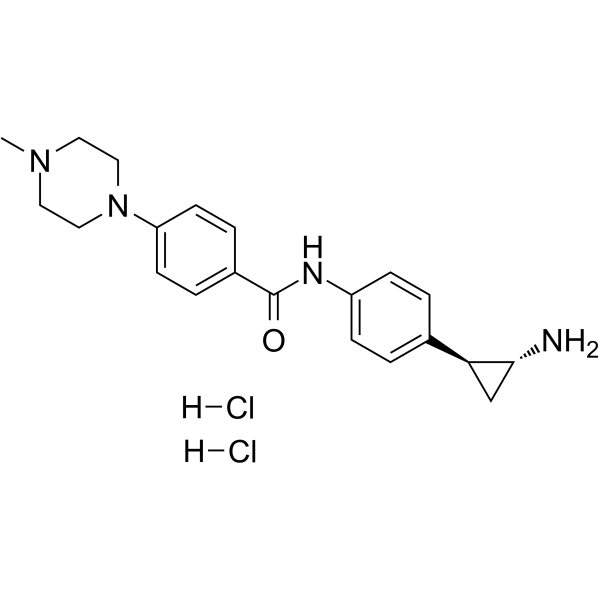 0 ImagesDDP-38003 dihydrochloride is an novel, orally available inhibitor of histone lysine-specific demethylase 1A (KDM1A/LSD1) with an IC50 of 84 nM.
-
Bomedemstat hydrochloride
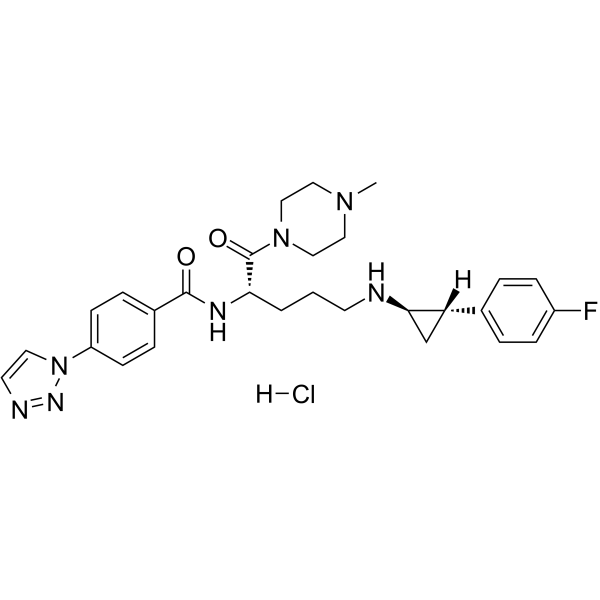 0 ImagesCat. No.: HY-109169BPurity: 99.94%Synonyms: IMG-7289 hydrochlorideBomedemstat (IMG-7289) hydrochloride is an orally active and irreversible lysine-specific demethylase 1 (LSD1) inhibitor. Bomedemstat hydrochloride can increase H3K4 and H3K9 methylation, and then alter gene expression. Bomedemstat hydrochloride shows anti-cancer activities, inhibits cancer cell proliferation and induces apoptosis.
-
S2101
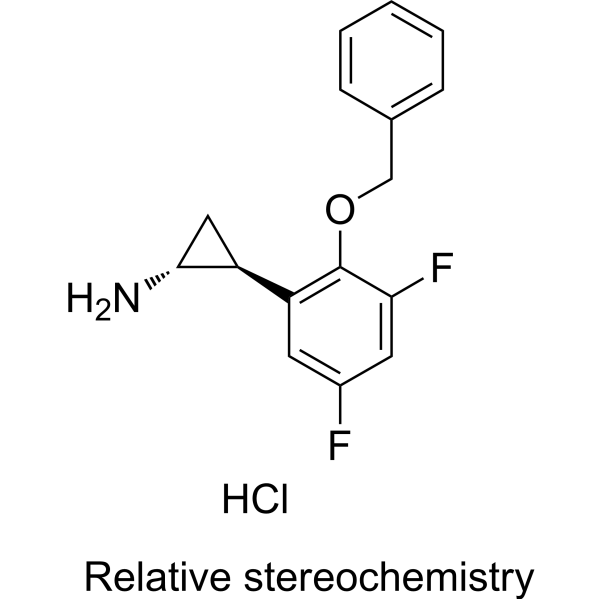 0 ImagesS2101 is a lysine-specific demethylase 1 (LSD1) inhibitor with an IC50 of 0.99 μM, Ki of 0.61 μM and Kinact/Ki of 4560 M/s.
-
Seclidemstat mesylate
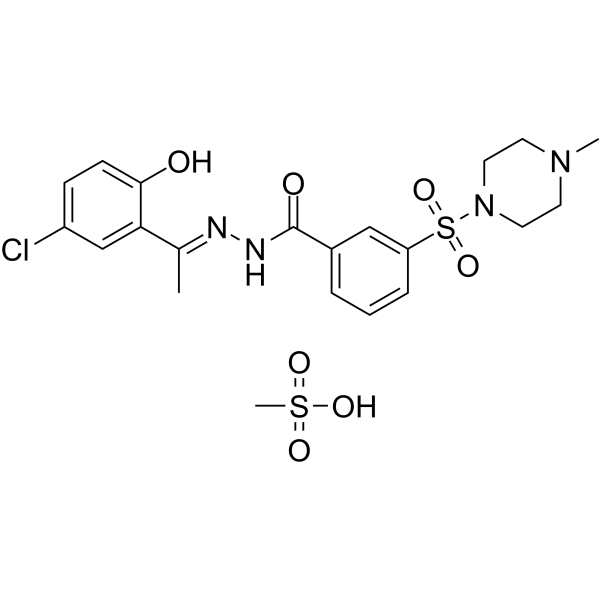 0 ImagesSynonyms: SP-2577 mesylateSeclidemstat (SP-2577) mesylate is a potent noncompetitive and reversible KDM1A (LSD1) inhibitor (Ki=31 nM, IC50=13 nM). Seclidemstat mesylate promotes antitumor immunity in switch/sucrose nonfermentable (SWI/SNF) complex mutated ovarian cancer, as well as inhibit virus production, viral DNA replication, and late gene expression. Seclidemstat mesylate can be used for the research of Ewing Sarcoma.
-
LSD1/HDAC6-IN-2
 0 ImagesLSD1/HDAC6-IN-2 (JBI-802) is an orally active LSD1/HDAC6/MAO-A inhibitor, with IC50 values of 5 nM, 11 nM, and 5 nM, respectively. LSD1/HDAC6-IN-2 can inhibit the growth of multiple myeloma cells MM.1S, MM.1R, and RPMI-8226. LSD1/HDAC6-IN-2 can be used for research on diseases such as acute myeloid leukemia and lymphoma.




